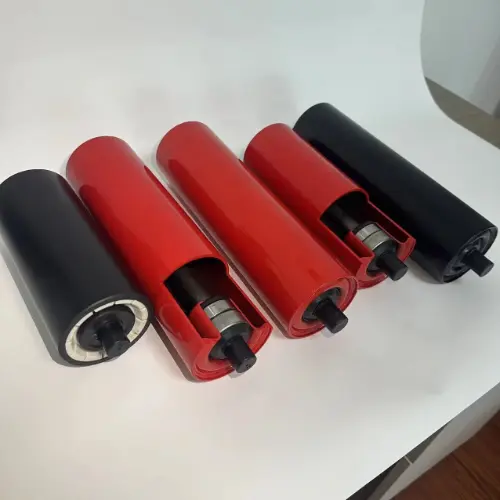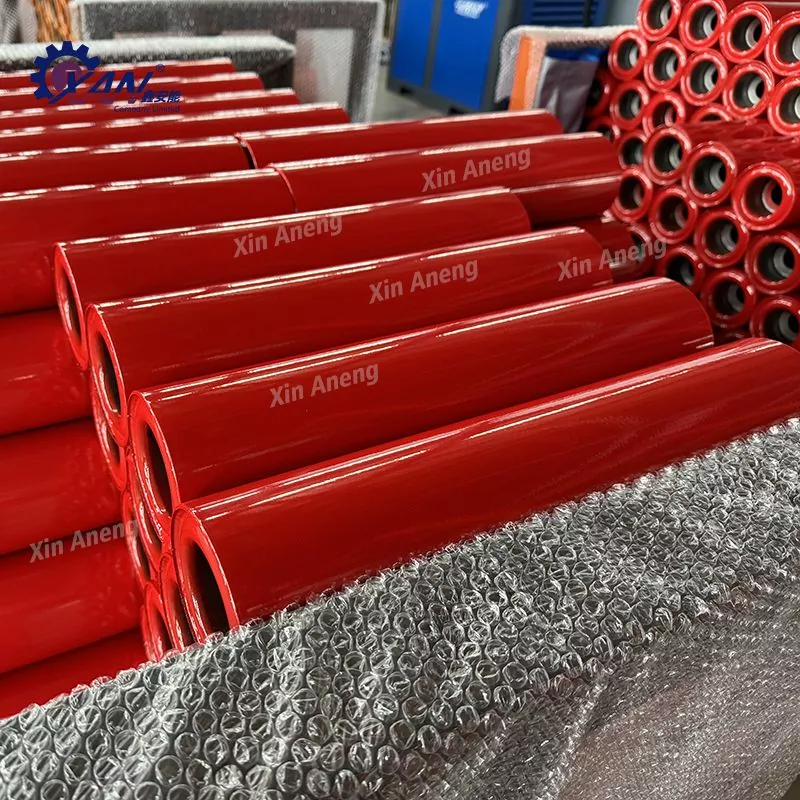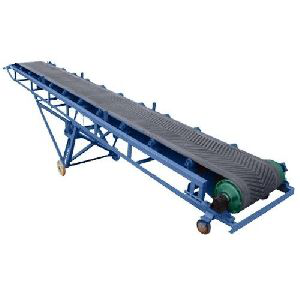
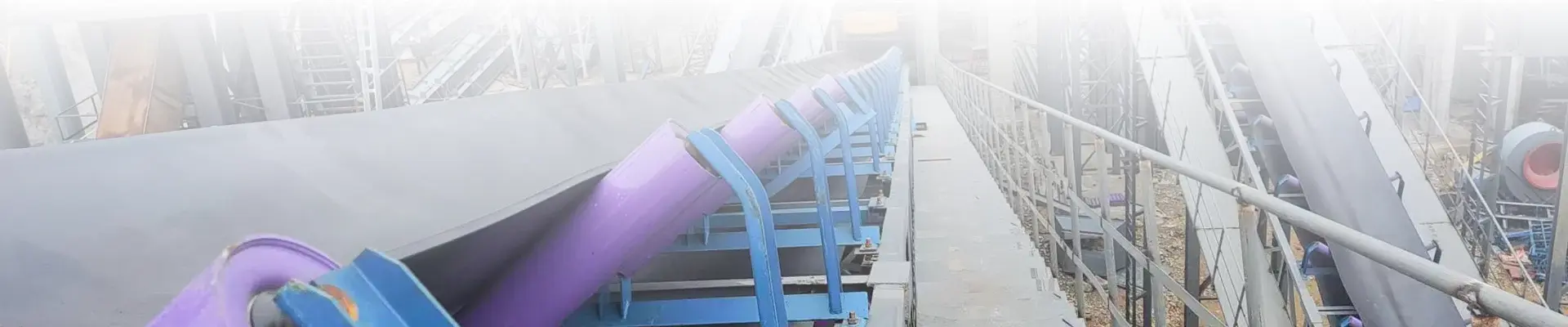
V miestach prepravy materiálu, ako sú bane, prístavy a elektrárne, sú pásové dopravníky nevyhnutným základným vybavením. Ako "kostra" pásových dopravníkov, napínacie kolesá ticho preberajú kľúčovú úlohu podpory pásu, znižovania trenia a zaisťovania hladkej dopravy. Aj keď sú zdanlivo jednoduché valcové komponenty, ich pracovný proces stelesňuje vynikajúci mechanický dizajn a logiku spolupráce. Nižšie rozoberieme princíp fungovania napínacích kolies.
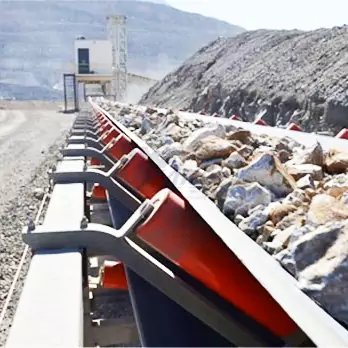
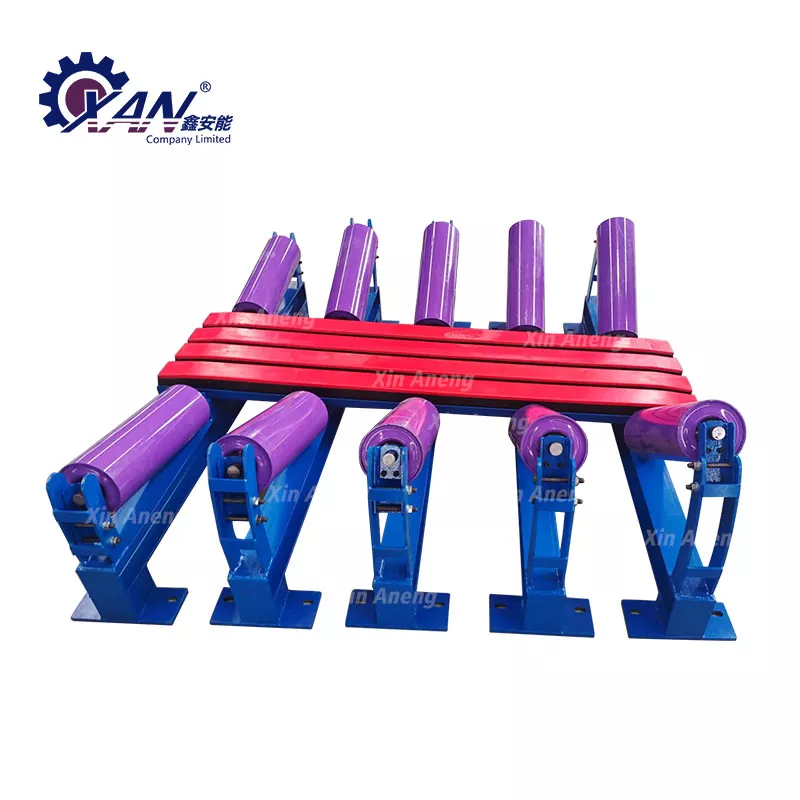
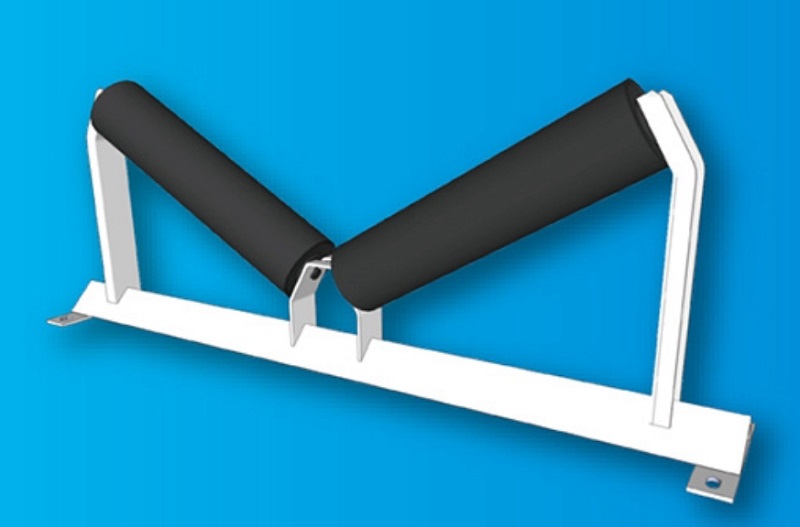
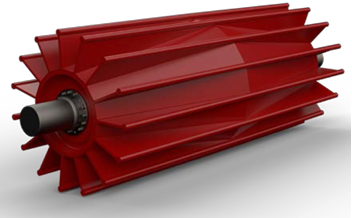
Hlavným pracovným poslanímpovaľovačije podporovať hmotnosť dopravného pásu a materiálov, čím zabraňuje prehýbaniu a deformácii pásu v dôsledku gravitácie. Na ráme pásového dopravníka sú napínacie kolesá rovnomerne usporiadané cez ložiskové sedlá, aby vytvorili súvislú nosnú plochu. When the conveyor belt operates with materials, the roller bodies of the idlers are in close contact with the bottom surface of the conveyor belt, uniformly transmitting the weight of the materials and the tension of the belt itself to the frame, ensuring that the belt always maintains a stable running trajectory. Whether for horizontal conveying, inclined conveying, or turning conveying, different types of idlers (parallel idlers, trough idlers, self-aligning idlers) will adjust their arrangement angles according to force requirements to ensure support stability.
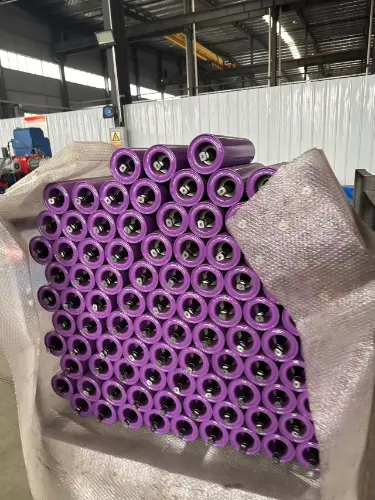
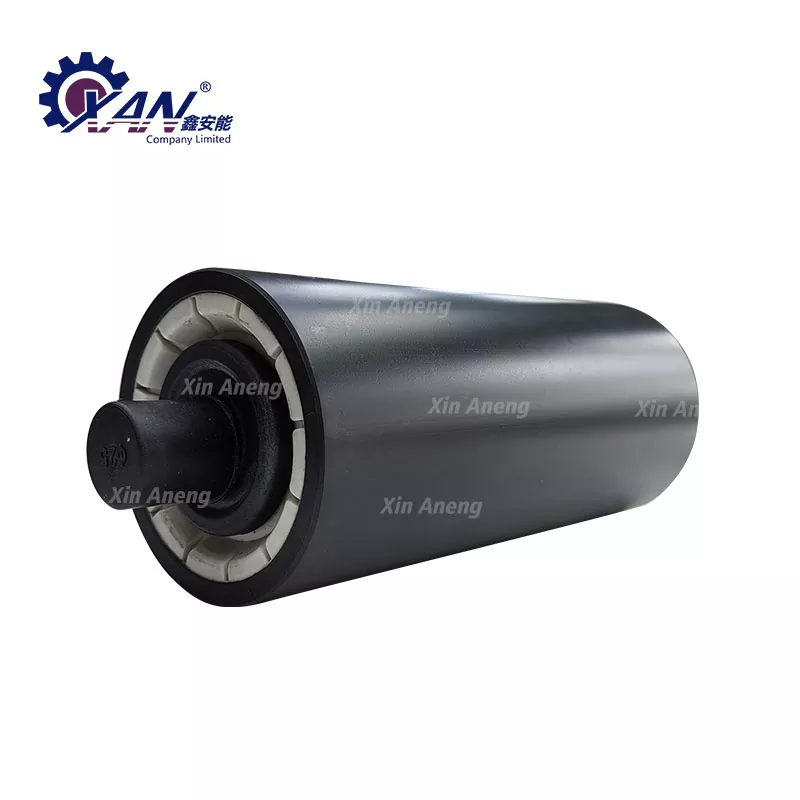
Zníženie prevádzkového trenia a zníženie spotreby energie je ďalším kľúčovým cieľom prevádzky naprázdno. Vo vnútri napínacích kolies sú nainštalované vysoko presné ložiská a telesá valčekov sú spojené s puzdrami prostredníctvom ložísk, aby vytvorili flexibilne otočnú konštrukciu. When the conveyor belt runs, friction drives the idlers to rotate synchronously, converting the sliding friction between the conveyor belt and the idlers into rolling friction inside the bearings. The resistance of rolling friction is much smaller than that of sliding friction, which can not only greatly reduce the driving force consumption of the motor but also reduce the wear of the conveyor belt and the idlers themselves, extending the service life of both. To further improve lubrication effect and reduce friction loss, lubricating grease is also filled inside the idlers to ensure stable operation of the bearings under high-speed and heavy-load conditions.
V zložitých dopravných scenároch musia napínacie vozidlá spolupracovať aj na dokončení pomocných úloh, ako je nastavenie odchýlky a tlmenie nárazov nárazníka. Keď sa dopravný pás odchýli v dôsledku nerovnomernej sily, samonastavovacie napínacie kladky poháňajú telesá valčekov tak, aby sa automaticky vychýlili prostredníctvom snímacích zariadení, čím sa vytvorí spätná korekčná sila, aby sa vychýlený pás stiahol späť na správnu trajektóriu; v miestach nakladania materiálu vyrovnávacie kladky absorbujú silu nárazu padajúcich materiálov cez gumové rukávy na vonkajšej vrstve, čím sa zabráni priamemu nárazu materiálov na pás, ktorý by spôsobil poškodenie; vo vysokoteplotnom, vlhkom alebo prašnom prostredí bránia utesnené vodiace kolíky prenikaniu prachu a vodnej pary do interiéru cez prachové kryty a tesniace krúžky, čím zabraňujú zaseknutiu a poruche ložísk.
The working process of idlers is essentially a collaborative process of mechanical balance and energy conversion: through the rotational cooperation between bearings and roller bodies, sliding friction is converted into rolling friction; prostredníctvom rovnomerne usporiadanej nosnej konštrukcie sa dosiahne stabilný prenos hmotnosti; vďaka funkčnej komplementárnosti rôznych typov napínacích kolies sú splnené komplexné potreby dopravy. It is this simple and efficient working logic that makes idlers an important guarantee for the efficient operation of belt conveyors, playing an irreplaceable basic role in the material conveying chains of various industrial productions.